A Global First: Wales leads the charge with new deconditioning measurement tool
Work is progressing to develop a fully robust tool that measures the harm that befalls patients in hospital, thanks to the efforts of the Six Goals for Urgent and Emergency Care National Programme, Value Transformation and Centre for Healthcare Evaluation, Device Assessment, and Research (CEDAR).
Why deconditioning demands action
Deconditioning – the physiological, psychological, and functional decline that can occur following a period of inactivity – has long been recognised as a hidden but serious harm to patient recovery, independence and wellbeing. As highlighted in an earlier blog by Dr Siobhan Lewis, around one in three older people leave hospital with a disability that they didn’t have when they first arrived.
Preventing hospital-acquired deconditioning is a focus within the National Optimal Hospital Flow Framework, which is used by health boards and trusts in Wales. However, it soon became apparent that there was a gap in how to measure deconditioning to inform how it could be prevented.
The DEWI tool: a “global first”
Almost 18 months in the making, two trials and numerous staff and patient views sought, the Deconditioning Early Warning Indicator (DEWI) tool was created. DEWI measures 11 distinct domains ranging from mobility, continence and cognition, through to social engagement and the ability to manage daily activities. The assessment helps staff to spot early signs of deconditioning and intervene swiftly, reducing long-term harm and supporting independence.
Rachel Taylor, Assistant Director for the Six Goals for Urgent and Emergency Care National Programme, emphasised the importance of this breakthrough: “The DEWI tool is a game-changer for patient care. Although still in its infancy, early insights from pilot sites prove the tool to be practical and effective. Work is ongoing to digitise DEWI, paving the way for real-time reporting at local and national levels. This development has the potential to transform how deconditioning is monitored and prevented across NHS Wales and beyond.”
A National Summit to share learning and drive momentum
The tool, which was unveiled at the National Preventing Deconditioning Summit on Tuesday 4 November, was branded a “global first” by renowned guest speaker Professor Brian Dolan, co-founder of the international End PJ Paralysis movement, who remarked that this type of formal tool had never been created elsewhere in the world.
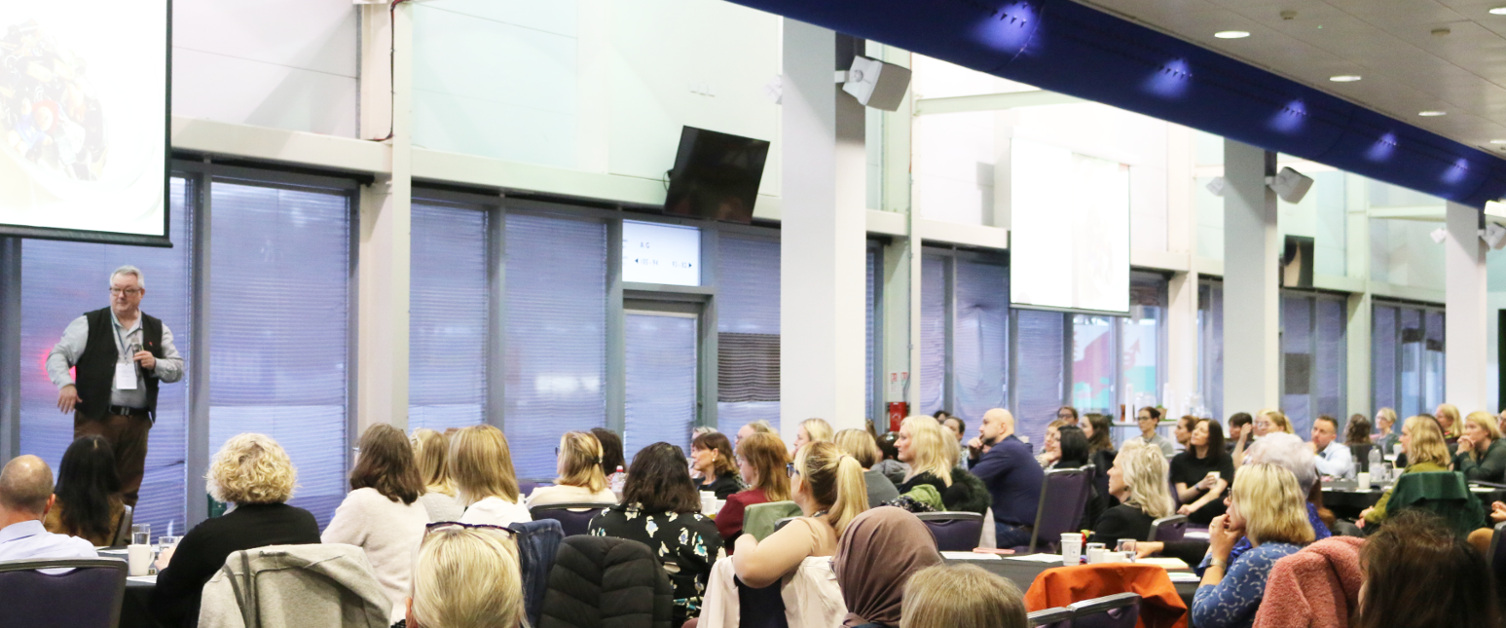
The Summit, held at Cardiff City Stadium, brought together health professionals, stakeholders and partners in the preventing deconditioning space. The event saw several presentations by esteemed speakers and used its agenda to reinforce the urgency of embedding deconditioning prevention in healthcare services.
Guest speakers included Professor Sally Lewis and Jeremy Miles MS, Cabinet Secretary for Health and Social Care, and new Chief Executive of NHS Wales and Director General for Health, Social Care and Early Years, Jacqueline Totterdell, who recognised the DEWI tool in her keynote speech, acknowledging the excitement and pride she felt in “Wales leading the charge” in this important field.
Richard Bowen, National Director for the Six Goals for Urgent and Emergency Care Programme, praised the enthusiasm and shared commitment demonstrated on the day: “The Summit was a testament to the dedication of teams who are committed to preventing deconditioning and improving patient outcomes. It showcased not only how far we’ve come, but how powerful our collective effort can be when we focus on what really matters. The learning shared – particularly around tools like the Deconditioning Early Warning Indicator (DEWI) – will continue to shape safer, higher-quality care for our patients.”
The Summit also celebrated the achievements of the Preventing Deconditioning workstream, part of the Safe Care Partnership, recognising teams across Wales who had worked on projects that tackled the four themes of deconditioning.
Looking ahead
Focus is now on developing the DEWI tool further, including creating a supporting toolkit, with NHS Wales Performance and Improvement looking to pilot the tool in more health boards and trusts across Wales, working with teams to gain feedback before it’s fully formalised. There is also early consideration of how the tool could be used in community settings, including care homes.
More updates on the DEWI tool, and our work on preventing deconditioning, will be published on our website.