Blog: Our shared journey as AHP leaders in learning disability services
23 March 2026
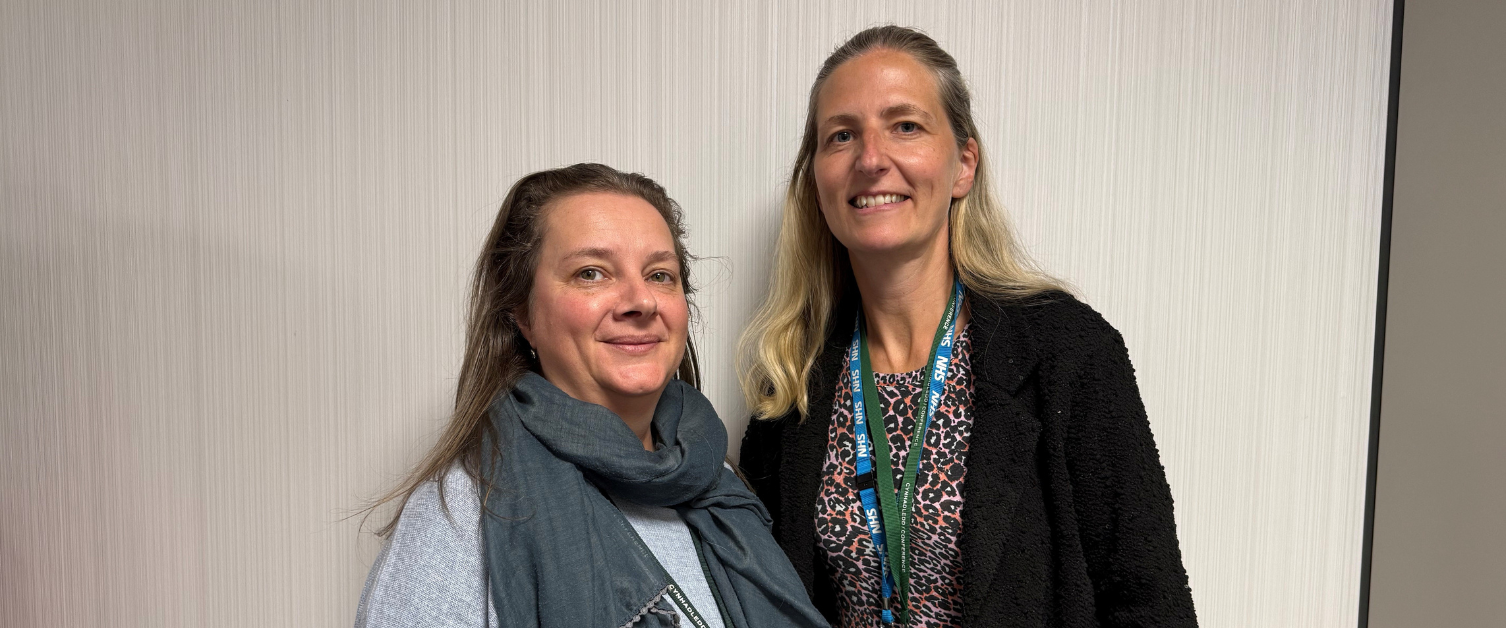
In this joint blog, Melanie Vale and Rachel Thomas, two senior Occupational Therapists in NHS Wales, reflect on the power of authentic leadership within learning disability services.
Drawing on shared experience as Allied Health Professional (AHP) leaders, they explore the challenges, responsibilities, and opportunities of leading meaningful change in Wales.
Together, they highlight how staying true to core values can drive improvement and improve outcomes – strong themes emerging from the Learning Disability AHP Network…
Leading change in learning disability services has been one of the most rewarding and challenging parts of our careers. For both of us, leadership isn’t about titles - it’s about being authentic, listening deeply, and staying true to values that put people first.
Throughout our careers, we have both encountered inspirational leaders and recognised that they often shared the same characteristics: honesty, fairness, consistency, and compassion. We have both struggled with ‘imposter syndrome’ and questioned if leadership roles are for us. Over time, we have come to appreciate both the challenges and the benefits of our roles and to recognise that sticking true to our values helps keep us on the right track.
The policy context
Welsh learning disability policy provides a strong foundation for this work. The Learning Disability Strategic Action Plan (2022–2026) and the Well-being of Future Generations Act call for prevention, integration, and collaboration - all principles that resonate with Allied Health Professional (AHP) practice. These policies emphasise reducing preventable health inequalities through advocacy, accessible information, and reasonable adjustments. They challenge us to think long-term and act early. All services are coming under increased pressure to improve services, offer long-term sustainable solutions while balancing financial pressures.
In a smaller area of practice like learning disabilities, which often feels overshadowed, this increases the challenge of getting the needs of people with learning disabilities in Wales to the top of the priority list. However, as the overview of mortality amongst people with a learning disability in Wales has shown us, people with a learning disability in Wales can expect to live 20 years less than the general population. Frequently the causes of death are preventable and AHPs have a significant role to play through training carers, early screening, supporting positioning and improving mobility, dietary intake, and making reasonable adjustments.
Leadership in action
We have both reflected that during the most challenging points in our jobs, we have pondered the need to consciously change our personality or values to be more effective or successful leaders. Fortunately, we’ve learned that authentic leadership means showing up as yourself, acknowledging challenges, and valuing lived experience. The values of the different AHPs who encounter people with a learning disability centre on person-centred care, dignity, and independence. We aim to work collaboratively to maximize the potential for people to live full lives. In learning disability services, this approach creates space for co-production and ensures that voices often unheard are central to decision-making. It is therefore vital that we retain our core values to do the best we can for the people we support with the goal of improving quality of life for people with learning disabilities.
We are proud to represent AHPs jointly on the Learning Disability Ministerial Advisory Group (LDMAG), ensuring that the voice of AHPs is heard at the highest level of policy and decision-making. To best represent AHPs at LD MAG we need to connect with and hear the views of the 13 different professions. Working together with Dr Rachel Ann Jones from NHS Wales Performance and Improvement, we’ve helped set up the Learning Disability AHP Network - to widen our network and create a space to consider the potential of AHPs working in this area and share best practice across Wales.
Looking ahead
The future of AHP leadership in learning disability services is bright. There is space for innovation, prevention-focused models, and community-based care. Our work can make a real difference in reducing health inequalities, by making and advising on reasonable adjustments. The framework for the use of non-pharmaceutical approaches to reducing restrictive practices in Wales, seeks to identify preventative approaches and identify person centred alternatives where appropriate. AHPs are the third largest professional group in Wales, so together we have the potential to make a significant impact on the lives of people with a learning disability. We are well placed to lead, influence, and advocate for better outcomes. We already work collaboratively across services. Moving forward we can make vital difference by never losing sight of the people at the heart of our work.
If the themes in this blog resonate with you - staying true to your values, making meaningful change, and championing people with a learning disability - then the Learning Disability AHP Network is your space.
Join Melanie and Rachel at our upcoming meetings. To come along, please get in touch with: improvementcymru_ld@wales.nhs.uk